TENSOR UNVEILS OPENTAU (Τ) AT CES 2026, INTRODUCING A BREAKTHROUGH OPEN-SOURCE TRAINING PLATFORM FOR PHYSICAL AI
>> Groundbreaking Release Advances Vision-Language-Action Foundation Models for Autonomous Driving, Robotics, and Embodied AI.
At CES 2026, Tensor today announced the official open-source release of OpenTau (τ), a powerful AI training toolchain designed to accelerate the development of Vision-Language-Action (VLA) foundation models - a critical building block for the next generation of Physical AI systems.
At Tensor, we're pushing the frontier of large foundation models for Physical AI. VLA models integrate vision, language, and action into a single multimodal foundation model, enabling intelligent systems to understand the world, reason about it, and act within it. This approach is increasingly recognized as a leading paradigm for Embodied AI, with applications spanning autonomous driving, robotic manipulation, and navigation.
OpenTau (τ) is Tensor's open-source AI training platform for frontier VLA models, purpose-built to make large-scale AI training reproducible, accessible, and scalable. By releasing OpenTau to the global research and developer community, Tensor is making advanced training capabilities available beyond closed, proprietary environments—helping accelerate innovation across the industry. We believe the most meaningful technological advances are defined by clarity, rigor, and reproducibility. Open-sourcing is central to that philosophy, providing scientific transparency and enabling independent validation.
"At Tensor, we believe meaningful progress in Physical AI requires transparency," said Jay Xiao, Founder and CEO of Tensor. "OpenTau is our way of giving back to the research and developer community that has helped advance this field. By open-sourcing our training toolchain, we're supporting broader collaboration—so everyone can build, experiment, and move faster together.."
OpenTau brings state-of-the-art VLA training capabilities to the open-source community, including:
> Co-training on an adjustable mixture of heterogeneous datasets
> Discrete action modeling for faster Vision-Language Model (VLM) convergence
> Knowledge insulation between the VLM backbone and the action expert
> VLM dropout techniques to reduce overfitting
>A reinforcement learning pipeline purpose-built for Vision-Language-> Action models
Designed with reproducibility and extensibility in mind, OpenTau enables researchers and developers to experiment with advanced training strategies that were previously difficult to implement or inaccessible outside of large-scale industrial research settings. We believe open research benefits the whole AI industry in the long run.
Tensor is inviting researchers, developers, and builders to explore OpenTau, contribute to its evolution, and help shape the future of Physical AI by starring the repository, forking and experimenting with the codebase, and building or extending frontier Vision-Language-Action models.
Explore OpenTau on GitHub: https://github.com/TensorAuto/OpenTau
AUTOLIV AND TENSOR INTRODUCE WORLD’S FIRST FOLDABLE STEERING WHEEL FOR AUTONOMOUS DRIVING
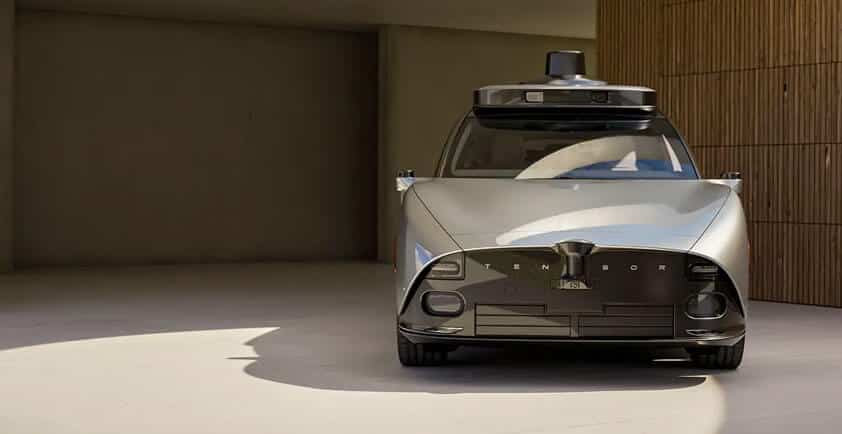
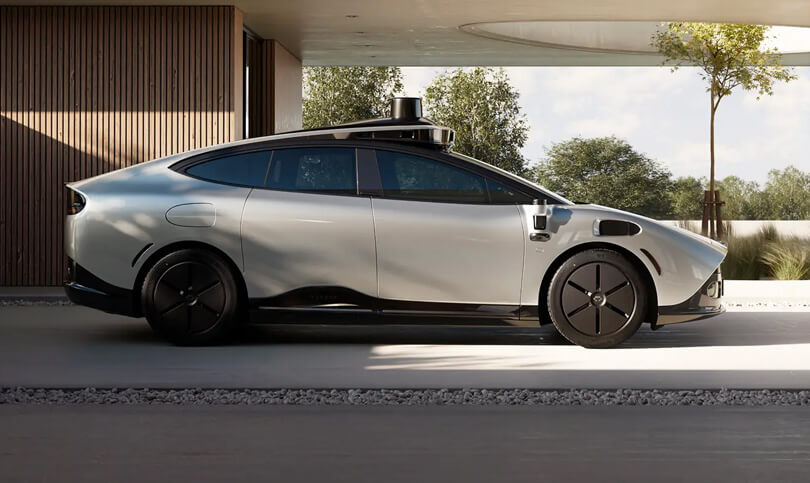
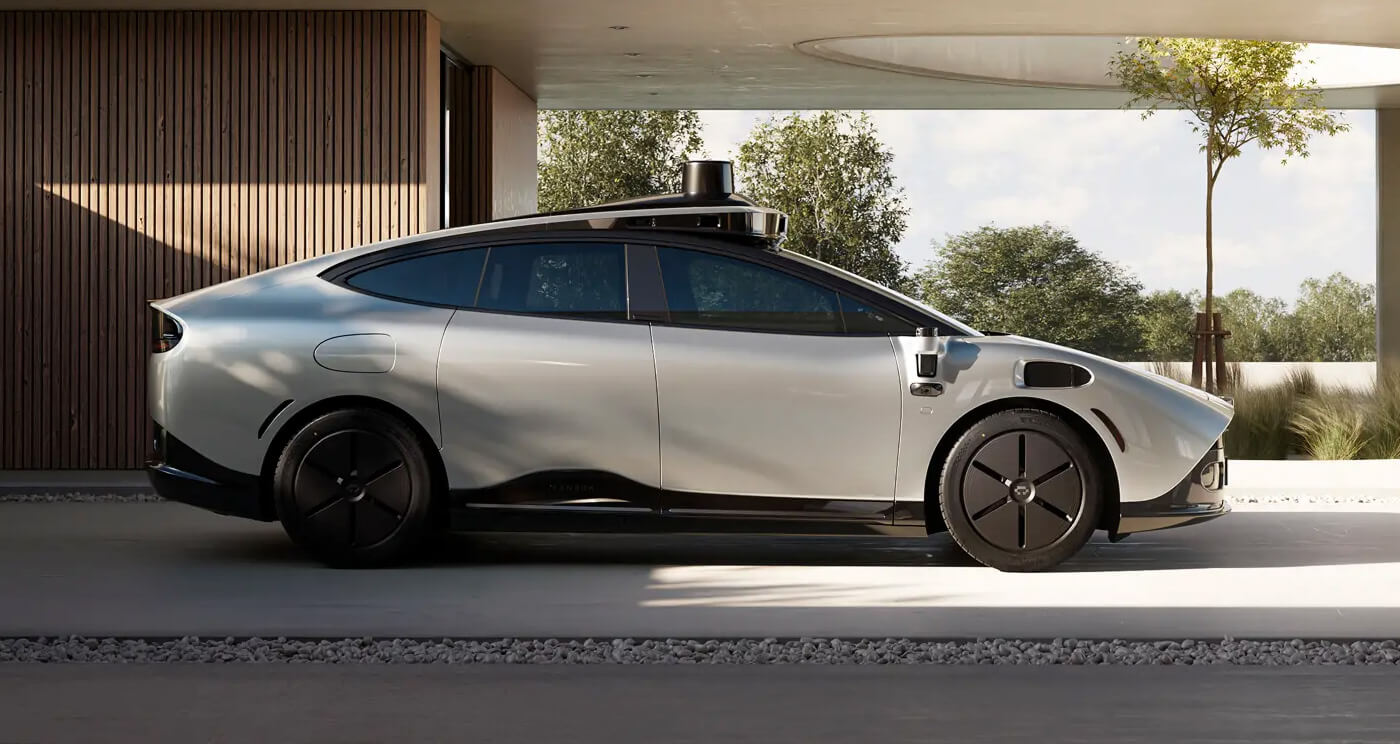
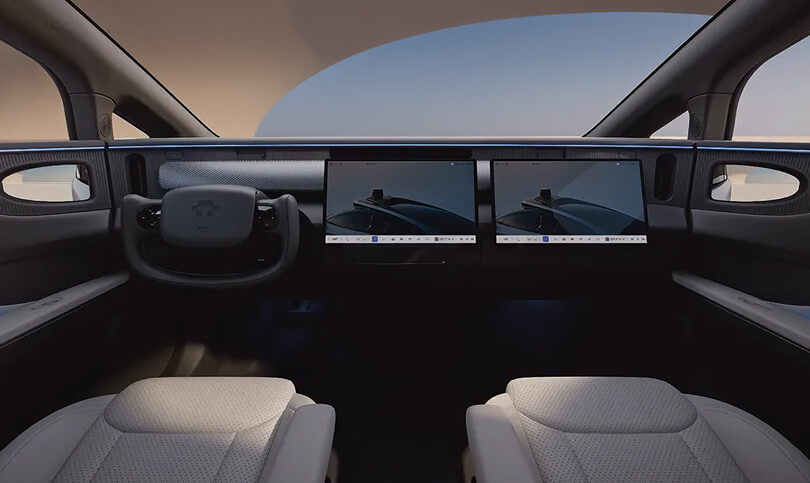
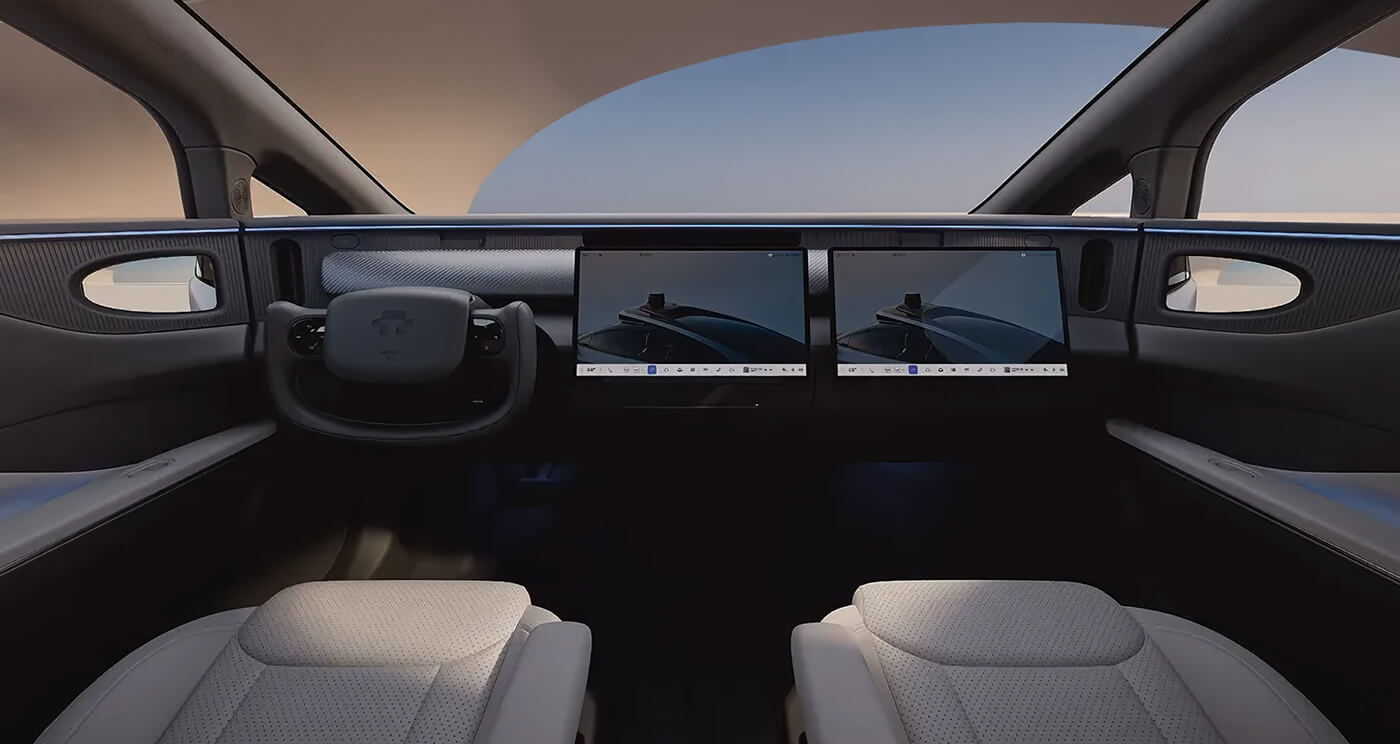
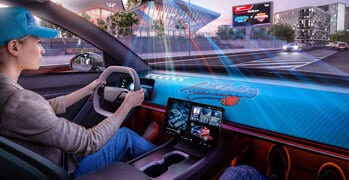
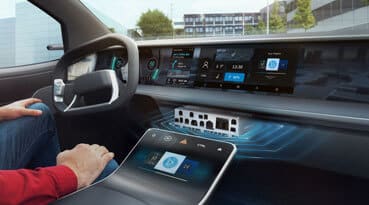
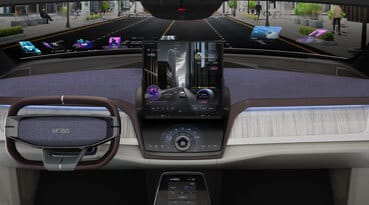
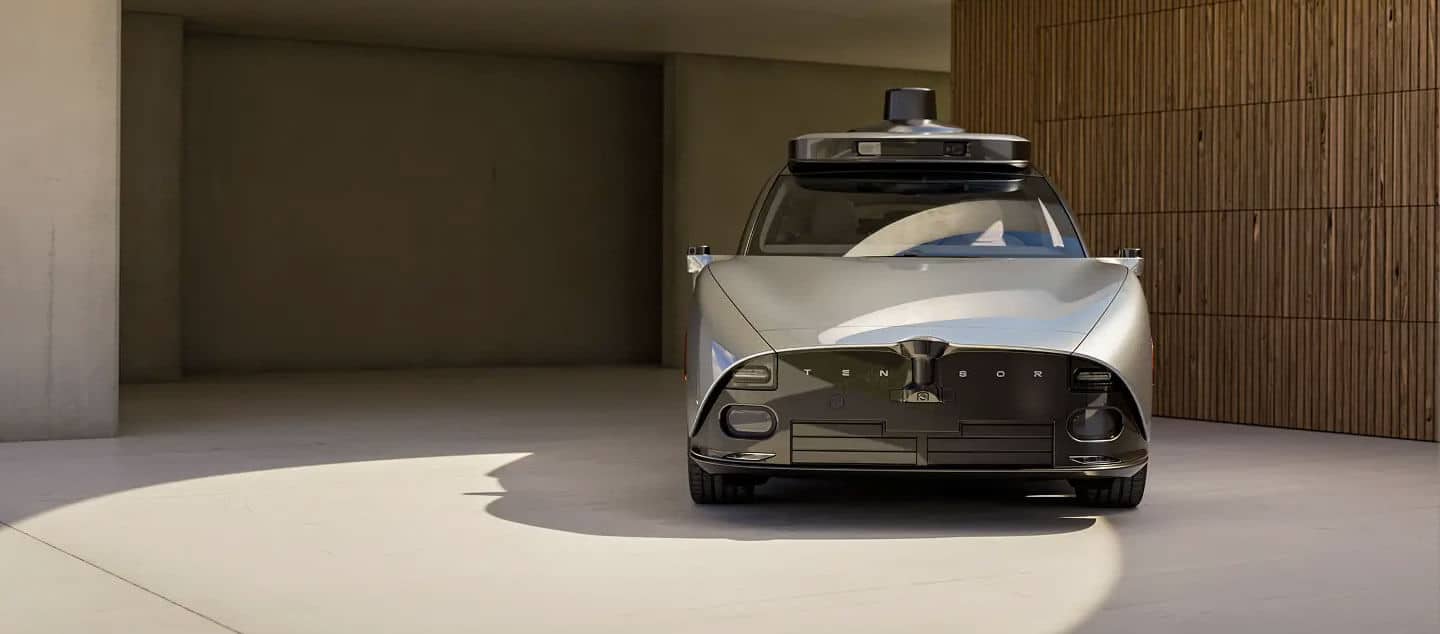
Autoliv, Inc., the worldwide leader in automotive safety systems, and Tensor, a leading innovator in personal autonomous vehicles, have co-developed the world’s first foldable steering wheel for the Tensor Robocar. With dual functionality, it can be used for conventional manual control or retracted for autonomous operation. This technology advances adaptive safety and flexible design in the evolving landscape of automated mobility. The Tensor Robocar is expected to be ready for volume production during the second half of 2026.
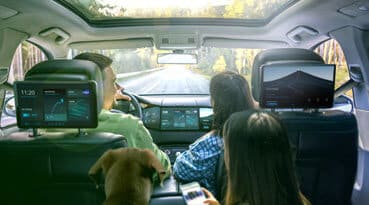
The innovative foldable steering wheel responds to the industry's transition toward high-level automation. As autonomous vehicles evolve, the traditional steering wheel can become a static obstacle in the cabin, limiting both passenger comfort and space. The co-developed folding steering wheel is designed to support changes in interior layouts for autonomous vehicles. It allows for more personal space and flexibility for those inside the vehicle.
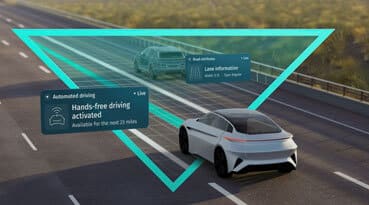
Seamlessly integrated with Tensor Robocar’s autonomous driving system, the steering wheel retracts in Level 4 mode—where the vehicle can handle all driving tasks within defined conditions without human intervention—clearing the driver’s area entirely. This transformation not only improves comfort but also reimagines the cabin as a multifunctional space.
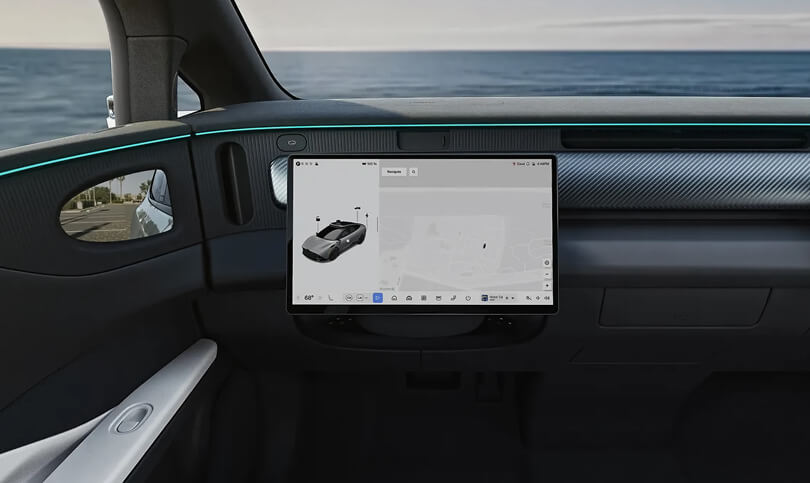
The airbag system adapts according to the chosen driving mode to ensure optimal safety. When in autonomous mode, and the steering wheel is retracted, a passenger airbag integrated into the instrument panel is enabled. During manual driving, the airbag located within the steering wheel is used. Both configurations provide an equally high level of protection.
"Automotive safety can no longer follow a one-size-fits-all philosophy. We asked ourselves how to make safety intelligent and adaptive—creating a system that seamlessly aligns with the driver’s needs. Our collaboration with Tensor delivers precisely that: a steering solution that enhances both safety and comfort by adapting to the vehicle’s mode," said Fabien Dumont, Executive Vice President & Chief Technology Officer of Autoliv.
"Fully self-driving technology provides a groundbreaking user experience, but manual driving in certain scenarios is still desired by many people. Our dual-mode approach with a foldable steering wheel combines the best of both worlds and gives customers the freedom to choose." said Jay Xiao, CEO of Tensor. "Foldable steering wheels previously existed only in concept cars—now we are bringing this innovation to volume-production vehicles for everyday use."
This partnership marks a significant milestone in the development of autonomous vehicle interiors. It reflects a broader vision where leadership in automotive safety extends beyond crash performance to encompass intelligent, user-centric design. By introducing a solution that physically adapts to the driving scenario, Autoliv and Tensor are establishing a new benchmark for how safety systems can harmonize with and elevate the overall user experience.